by Karen O'Hanlon Cohrt | Mar 22, 2026 | Disease Models, Trends
It is no secret that cell-based models are the backbone of modern drug discovery. For decades, researchers have used animal-based models including cells and whole animals to investigate mechanisms of disease, screen compounds, and support preclinical research. Over...
by Karen O'Hanlon Cohrt | Jan 6, 2026 | Cell Culture Techniques, Disease Models
What is the difference between ECM-based and ECM-free systems in 2D and 3D cell culture? When are ECM-derived cues required for tissue organization and differentiation in 3D models? How do researchers choose between ECM-based and ECM-free culture formats for their...
by Karen O'Hanlon Cohrt | Oct 6, 2025 | Disease Models, Trends
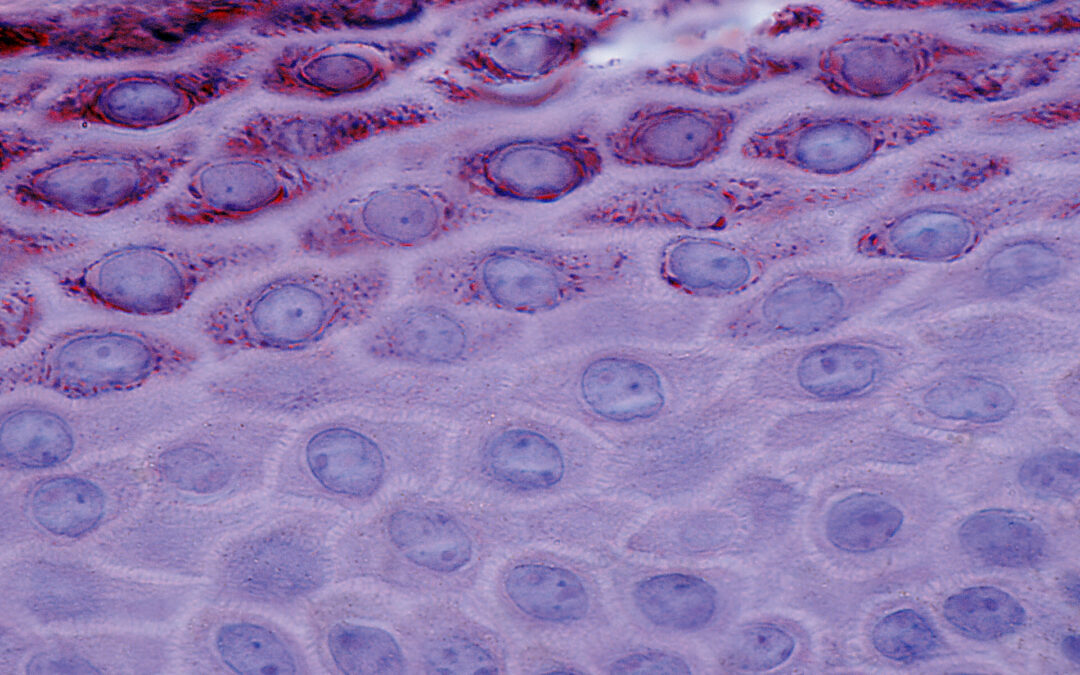
In a previous article we introduced keratinocytes and looked at their biological functions and subtypes. Here, we explore some of the main reasons researchers study keratinocytes and the various approaches used. We focus on 2D assay formats, outlining their advantages...

by Olwen Reina | Sep 13, 2016 | Disease Models
What are keratinocytes? Take a look at your hands, your face and your toes. Most of what you’re seeing are your keratinocytes. They make up over 90% of the cells of the epidermis, the outermost layer of the skin. The skin on your neck and the soles of your feet,...

by Karen O'Hanlon Cohrt | Dec 9, 2024 | Disease Models
Welcome back to our Cell of the Month series! This time, we are talking about Kupffer cells – what they are, what they do, and why we should want to learn more about them! Kupffer cells – the gatekeepers of the liver First described by German anatomist...
